
Refractive Lens
Exchange Surgery
Modern Vision Correction & Eye Care

What Is Refractive Lens Exchange?
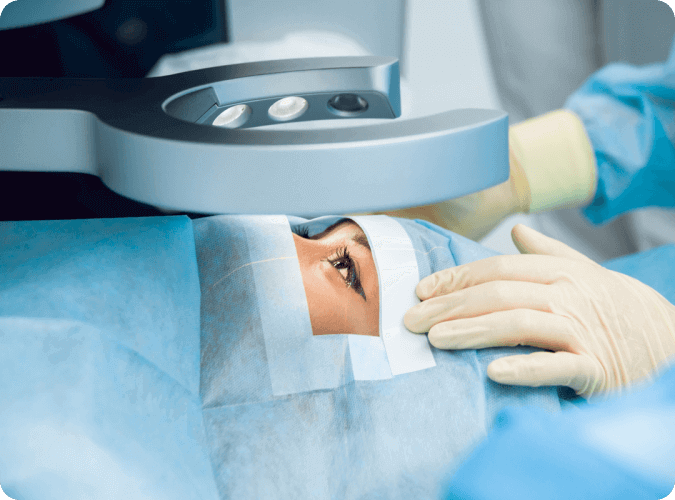
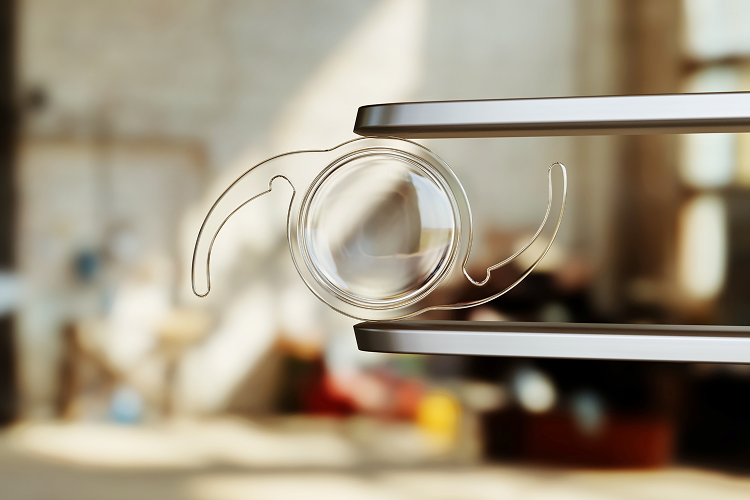
RLE is a surgical procedure in which your eye’s clear natural lens is removed and replaced with a custom-selected intraocular lens (IOL). Unlike LASIK, which reshapes the cornea, RLE works by replacing the lens itself, making it an ideal option for patients with presbyopia, high hyperopia, or those seeking comprehensive vision correction.
The procedure takes approximately 15 minutes per eye and is performed on an outpatient basis using advanced surgical techniques and state-of-the-art technology. RLE offers a permanent solution to refractive errors, with results that last a lifetime.
How RLE Differs From LASIK and Other Vision Correction Procedures
While LASIK reshapes the cornea to correct refractive errors, RLE replaces the lens itself. This fundamental difference makes RLE particularly effective for patients with presbyopia (age-related difficulty focusing on near objects) and those with high degrees of hyperopia or myopia that may not be ideal candidates for corneal-based procedures.
RLE also provides the added benefit of cataract prevention, as the natural lens is replaced with a premium IOL that will not develop cataracts. This makes RLE an excellent long-term investment in vision health.
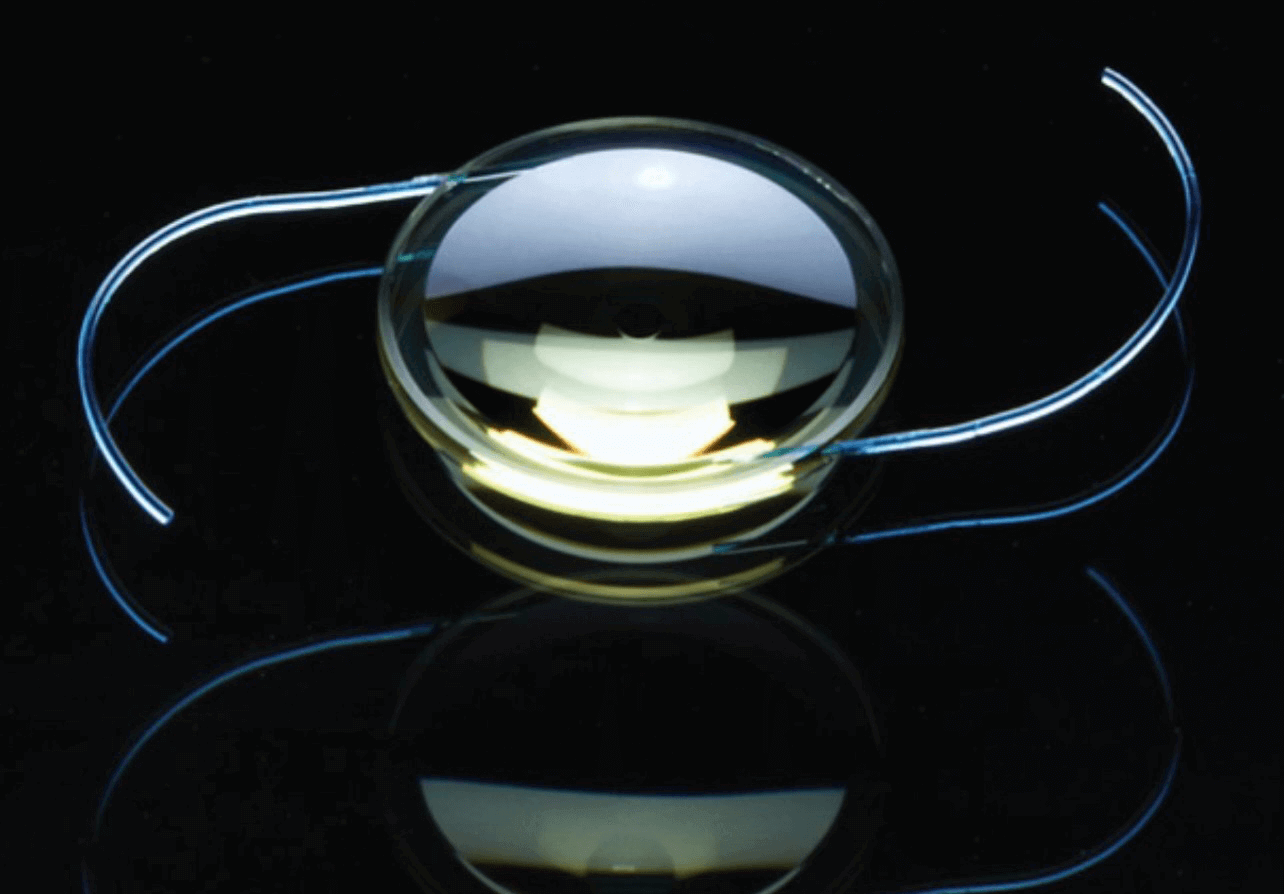
Premium IOL Technology Options
California LASIK & Eye offers a comprehensive range of premium intraocular lenses designed to meet diverse visual needs and lifestyle requirements. Our experienced team will help you select the IOL that best aligns with your daily activities and vision goals.
Monofocal IOLs
Monofocal lenses provide excellent distance vision and are an excellent choice for patients who prefer a traditional lens option or who are comfortable using reading glasses for near vision tasks.
Multifocal IOLs
Multifocal intraocular lenses provide clear vision at multiple distances, including near, intermediate, and distance vision. These lenses reduce or eliminate the need for reading glasses and bifocals, allowing patients to enjoy glasses-free vision for most daily activities.
Extended Depth of Focus (EDOF) IOLs
Extended Depth of Focus lenses provide a continuous range of clear vision from distance through intermediate to near, with minimal halos or glare. These lenses are ideal for patients seeking natural vision quality with reduced dependence on glasses.
Toric IOLs for Astigmatism
Toric intraocular lenses are specifically designed to correct astigmatism during the RLE procedure. These lenses provide clear vision at all distances while simultaneously correcting astigmatic refractive error, eliminating the need for separate astigmatism correction.
Light Adjustable Lens® (LAL)
The RxSight Light Adjustable Lens is a premium IOL that can be fine-tuned after surgery using UV light treatments. This unique technology allows Dr. Barnett to customize your vision correction based on how your eye heals, delivering a level of precision not possible with standard IOLs.
Comprehensive Pre-Operative Evaluation and Candidacy Assessment
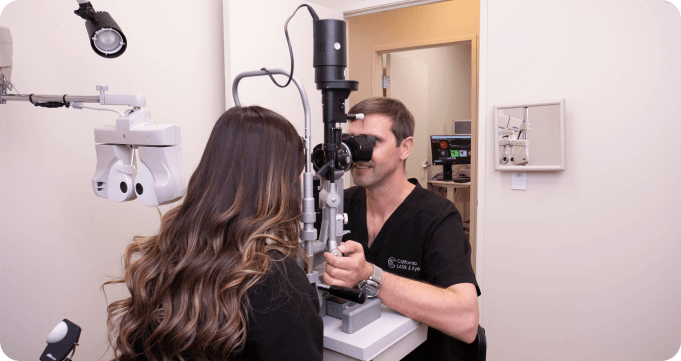
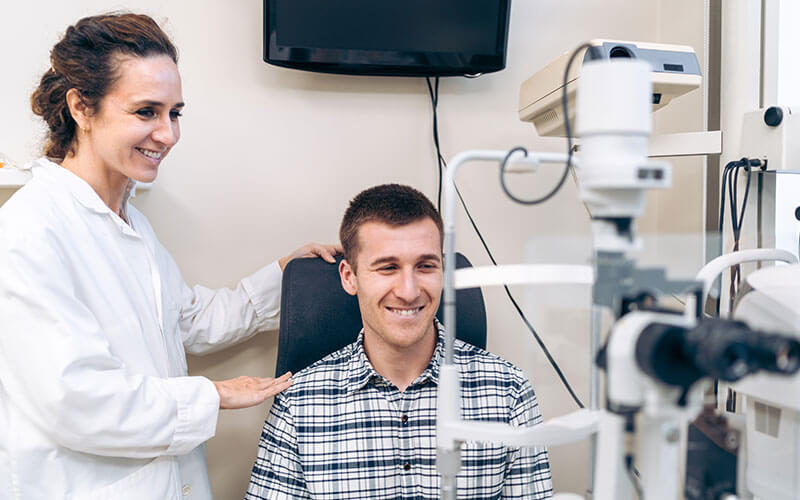
Determining candidacy for RLE involves a thorough, multi-step evaluation process designed to ensure optimal surgical outcomes and patient satisfaction. Our comprehensive pre-operative assessment includes advanced diagnostic testing and detailed consultation with Dr. Barnett.

Ideal Candidate Criteria
Ideal candidates for RLE typically meet the following criteria:
- Age 40 and older, with presbyopia (difficulty focusing on near objects)
- Moderate to high hyperopia, myopia, or astigmatism
- Stable refractive prescription for at least 12 months
- Healthy eyes with no significant corneal irregularities
- No advanced retinal disease or macular degeneration
- Realistic expectations about surgical outcomes and IOL technology
- Good overall eye health with no contraindications to surgery
Patients seeking a permanent solution to refractive errors without the need for reading glasses, bifocals, or contact lenses are excellent candidates for RLE.
Personalized IOL Selection Process
During your consultation, our team will discuss your lifestyle, visual priorities, and daily activities to recommend the IOL option that best matches your needs. Factors considered include:
- Primary visual focus (distance, intermediate, or near)
- Occupational and recreational activities
- Tolerance for halos or glare
- Preference for glasses-free vision
- Budget and insurance coverage
The RLE Procedure: What to Expect
Pre-Operative Preparation
Before your RLE procedure, you will receive detailed pre-operative instructions, including medication guidelines, fasting requirements, and transportation arrangements. Our team will answer all questions and ensure you feel confident and prepared for surgery.
During the Procedure
RLE is performed on an outpatient basis under local anesthesia. The procedure typically takes 15 minutes per eye and involves the following steps:
- Numbing drops are applied to ensure comfort throughout the procedure
- A small incision is created in the cornea
- The natural lens is gently removed using advanced phacoemulsification or femtosecond laser-assisted techniques
- The premium IOL is carefully positioned in the lens capsule
- The incision is closed, typically without requiring sutures
- A small amount of antibiotic medication is placed inside the eye at the completion of surgery to help reduce the risk of infection.
Post-Operative Care and Recovery Timeline
Most patients experience improved vision within the first few days following RLE, with optimal results typically achieved within 4 to 6 weeks as the eye heals completely.
Week 1 Post-Op:
- Vision begins to improve, though may be slightly blurry
- Mild discomfort, grittiness, or light sensitivity is normal
- Use prescribed eye drops as directed, including antibiotic and anti-inflammatory drops to support healing and reduce infection risk
- Avoid strenuous activities, swimming, and water contact
- Wear protective eyewear as recommended
- Attend follow-up appointment at 1 day post-op
Weeks 2-4 Post-Op:
- Vision continues to improve and stabilize
- Most patients can resume light activities and work
- Continue prescribed eye drops and protective eyewear
- Avoid heavy lifting and contact sports
- Attend follow-up appointment at 1 week and 1 month post-op
Weeks 4-6 Post-Op:
- Vision reaches near-optimal levels
- Most restrictions are lifted, and normal activities can resume
- Continue eye drops as prescribed
- Attend follow-up appointment at 3 months post-op for final assessment
Long-Term Vision Stability:
RLE provides permanent vision correction. The premium IOL will not develop cataracts and will provide clear vision for life. Occasional adjustments to reading glasses may be needed as the eye ages, but the fundamental vision correction remains stable.
Benefits of Refractive Lens Exchange
RLE offers numerous advantages for patients seeking permanent vision correction:
- Permanent Vision Correction: Results last a lifetime, with no need for lens replacement or additional procedures
- Presbyopia Elimination: Multifocal and EDOF IOLs eliminate presbyopia symptoms, providing clear vision at all distances
- Reduced Glasses Dependence: Many patients achieve glasses-free vision for most daily activities
- Cataract Prevention: The premium IOL will not develop cataracts, eliminating future cataract surgery risk
- Correction of High Refractive Errors: RLE effectively corrects high degrees of hyperopia and myopia that may not be suitable for LASIK
- Improved Quality of Life: Freedom from glasses and contact lenses enhances daily comfort and convenience
- Customizable Vision: Premium IOL options allow personalized vision correction tailored to lifestyle and visual priorities
- Excellent Long-Term Outcomes: RLE has a proven track record of exceptional patient satisfaction and visual outcomes
Understanding Risks and Complications
As with any surgical procedure, RLE carries potential risks. However, serious complications are rare when performed by experienced surgeons using advanced technology and rigorous pre-operative screening protocols.
Potential Risks and Complications
- Infection: Rare but serious, prevented through sterile surgical technique, antibiotics placed inside the eye at the completion of surgery, and post-operative antibiotic drops.
- Inflammation: Common but manageable with prescribed anti-inflammatory eye drops
- Increased Intraocular Pressure: Monitored closely during post-operative visits and managed with medication if needed
- Posterior Capsule Opacification (PCO): A clouding of the lens capsule that may develop months or years after surgery, easily treated with a quick laser procedure if needed
- Retinal Detachment: Rare complication, risk is minimized through careful pre-operative screening and proper surgical technique
- IOL Malposition: Uncommon, prevented through precise surgical placement and advanced imaging technology
- Dry Eye: Temporary dryness is common post-operatively, managed with prescribed lubricating drops
Risk Mitigation Strategies
California LASIK & Eye minimizes surgical risks through:
- Advanced Pre-Operative Screening: Comprehensive diagnostic testing identifies patients at higher risk for complications
- Experienced Surgical Technique: Dr. Barnett brings 7 years of post-fellowship surgical experience, with 4,750 procedures performed and a 0.2% complication rate
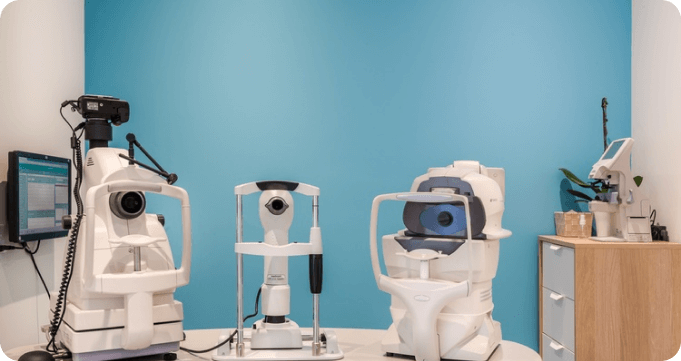
- State-of-the-Art Technology: Advanced surgical equipment and diagnostic tools ensure precision and safety
- Rigorous Infection Control: Strict sterile protocols and post-operative antibiotic regimens prevent infection
- Comprehensive Post-Operative Care: Detailed follow-up appointments and monitoring ensure early detection and management of any complications
- Patient Education: Thorough pre- and post-operative instruction ensures patients understand their role in successful recovery

Why Choose California LASIK & Eye for Your RLE Surgery
California LASIK & Eye is a leading provider of refractive surgery in the Sacramento region, serving patients in Sacramento, Roseville, Folsom, and Davis with exceptional expertise, advanced technology, and patient-centered care.
Patient Testimonials and Success Stories
Verified Patient Reviews:
Frequently Asked Questions About RLE Surgery
How long does the RLE procedure take?
Each eye takes approximately 15 minutes, with total time in the surgical suite typically 30 to 45 minutes, including preparation and post-operative assessment.
When can I return to normal activities?
Most patients can return to light activities and desk work within a few days. Strenuous activities, heavy lifting, and contact sports should be avoided for 2 to 4 weeks. Full recovery typically occurs within 4 to 6 weeks.
Will I need glasses after RLE?
Many patients achieve excellent vision without glasses, particularly with multifocal or EDOF IOL options. However, some patients may need reading glasses for very fine print or detailed near work, depending on the IOL selected and individual visual needs. This will be discussed during your consultation.
How long do the results last?
RLE provides permanent vision correction. The premium IOL will not develop cataracts and will provide clear vision for life. Results are stable and long-lasting.
Is RLE covered by insurance?
RLE is typically considered an elective refractive procedure and is not covered by most insurance plans. However, if RLE is performed to address a medical condition such as advanced presbyopia affecting quality of life, some insurance coverage may apply. We offer flexible financing options to make RLE accessible to our patients.
What is the difference between RLE and cataract surgery?
RLE and cataract surgery are similar procedures, but RLE is performed on a clear lens to correct refractive errors, while cataract surgery is performed to remove a clouded lens. Both procedures involve lens replacement with an IOL.
Can I have RLE in both eyes?
Yes, RLE is typically performed on both eyes, usually scheduled one to two weeks apart to allow the first eye to heal before operating on the second eye.
What if the lens capsule becomes cloudy in the future?
The premium IOL implanted during RLE will not develop cataracts. However, the lens capsule (the membrane holding the IOL) can occasionally become cloudy, a condition called posterior capsule opacification (PCO). If this occurs, it is easily treated with a quick, painless laser procedure.
How do I know which IOL is right for me?
During your consultation, our team will discuss your lifestyle, visual priorities, and daily activities to recommend the IOL option that best matches your needs. Factors considered include your primary visual focus, occupational and recreational activities, tolerance for halos or glare, and preference for glasses-free vision.
What happens during the pre-operative evaluation?
Your pre-operative evaluation includes comprehensive eye health assessment, advanced diagnostic testing, IOL power calculations, and detailed consultation with our surgical team. This thorough evaluation ensures we select the optimal IOL for your eyes and visual goals.
What makes California LASIK & Eye different from other practices?
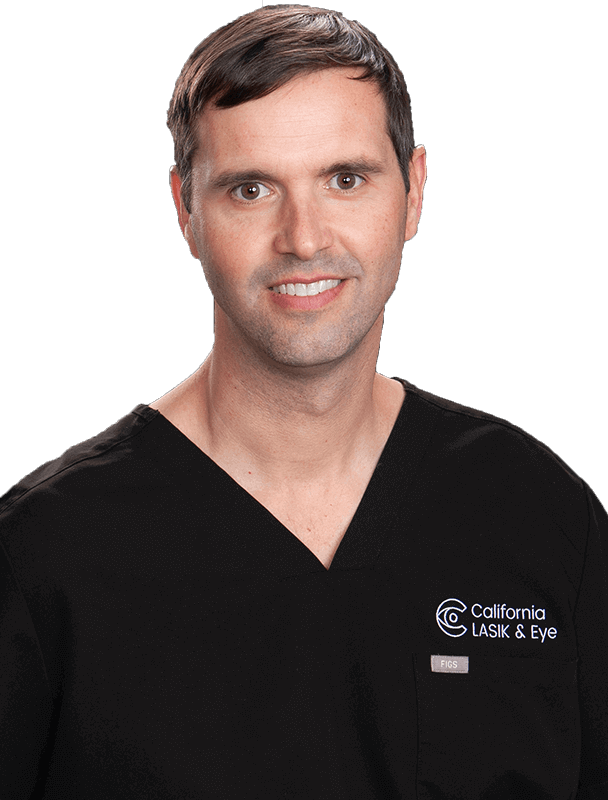
California LASIK & Eye is led by Dr. Bradley Barnett, MD, PhD, whose unique combination of MD-PhD training from Johns Hopkins, cornea fellowship at UC San Diego, 38 peer-reviewed publications, and five ophthalmic patents sets him apart. His research background means patients have access to the latest evidence-based treatments, often before they become widely available elsewhere.
Dr. Barnett Answers Common Questions About RLE Surgery
Contact Us and Schedule Your RLE Consultation
Ready to explore whether Refractive Lens Exchange is right for you? Contact California LASIK & Eye in Sacramento to schedule a comprehensive eye examination and consultation with our experienced team. We welcome patients from throughout the Sacramento area, including Roseville, Folsom, Davis, and surrounding communities.
Learn More About The Other Services We Offer!

Implantable Contact Lenses (ICL)

LASIK Surgery