Dry Eye Treatment
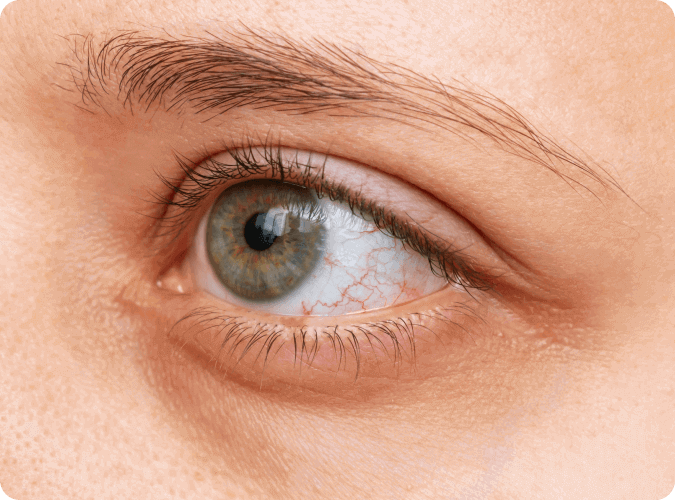
If you experience persistent eye irritation, redness, or a gritty sensation, you are likely dealing with more than just temporary dryness. Dry eye disease is a chronic, progressive condition that can significantly impact your vision care and quality of life. At California LASIK & Eye, we provide advanced dry eye therapy designed to address the root causes of your discomfort, rather than just masking the symptoms.
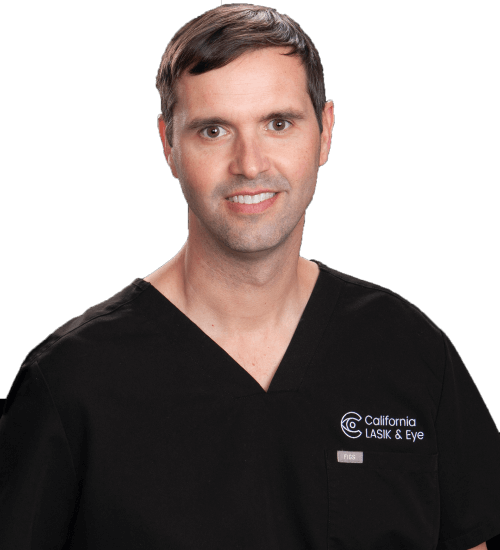
Led by Dr. Bradley Barnett, ophthalmologist and fellowship-trained cornea specialist, our practice offers the most modern vision solutions in the Sacramento area. Whether you are in Roseville, Folsom, or Davis, our team is dedicated to restoring your eye health through personalized, science-based care.
Understanding the Symptoms of Dry Eye
Many patients mistake the early signs of dry eye syndrome for simple allergies or fatigue. However, if you notice the following, it is time for a comprehensive eye exam:
- A persistent stinging or burning sensation.
- Redness and general eye irritation.
- Blurred vision, especially after reading or using a computer.
- Sensitivity to light.
- Difficulty wearing contact lenses.
- A “foreign body” sensation, as if something is in your eye.1

“Dry eye is not just a minor annoyance, it is a complex inflammatory condition that requires a targeted approach to prevent long-term damage to the ocular surface,” says Dr. Bradley Barnett.

The Science of Your Tears: Understanding Tear Production
To understand why your eyes feel dry, it is helpful to understand how tears actually work. Your tear film is not just “water,” it is a complex, three-layered system designed to protect the cornea and provide clear vision.
- The Mucin Layer (Inner): This base layer helps the tears stick to the surface of the eye, ensuring the cornea stays lubricated.
- The Aqueous Layer (Middle): This is the watery part of your tears, produced by the lacrimal glands. It washes away debris and keeps the eye hydrated.
- The Lipid Layer (Outer): Produced by the meibomian glands in your eyelids, this oily layer is the most critical. It prevents the watery layer from evaporating too quickly.
When any of these layers are out of balance, the tear film breaks down, leading to the symptoms of dry eye disease.
Identifying Your Type of Dry Eye
Not all dry eye is the same. During your evaluation at California LASIK & Eye, we determine which specific type of dry eye you have to ensure we choose the right treatment plan.
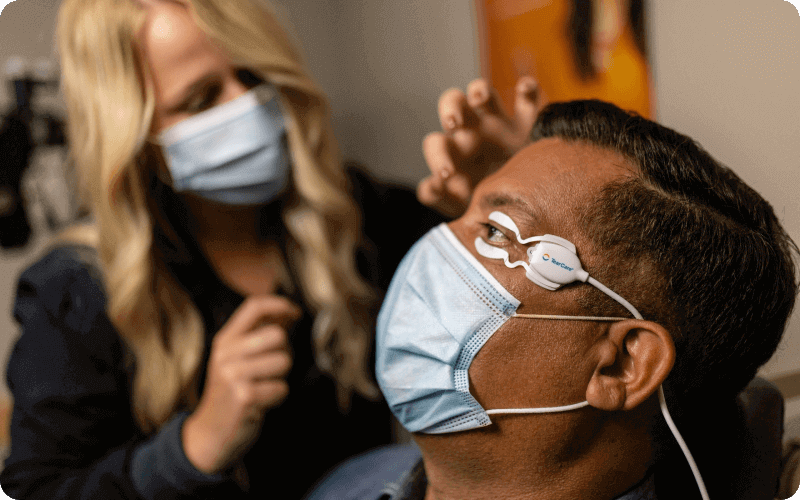
Evaporative Dry Eye (MGD)
This is the most common form, accounting for approximately 86% of all cases.2 It occurs when the meibomian glands become blocked (Meibomian Gland Dysfunction), leading to a deficiency in the lipid (oil) layer. Without enough oil, your tears evaporate almost instantly. This is the primary condition we treat with advanced technologies like OptiLightIPL.
Aqueous Deficient Dry Eye
This type occurs when your lacrimal glands simply do not produce enough of the watery component of tears. This can be caused by aging, certain medications, or systemic conditions like Sjogren’s syndrome.
Mixed Dry Eye
Many patients in the Sacramento area suffer from a combination of both types, requiring a multi-faceted treatment approach that may include both IPL and punctal plugs.
Common Causes and Risk Factors
According to the National Eye Institute, nearly 16 million Americans suffer from dry eye disease.3 Beyond the biological types mentioned above, several factors can trigger or worsen the condition:
- Environmental Factors: The dry heat and high pollen counts in Sacramento, Roseville, and Folsom can cause tears to evaporate faster and trigger inflammation.
- Digital Eye Strain: We blink significantly less when looking at screens, which prevents the meibomian glands from releasing necessary oils.
- Post-Surgical Dryness: While modern LASIK and cataract surgery are highly successful, they can sometimes cause temporary ocular discomfort. As a specialist in refractive surgery, Dr. Barnett understands how to optimize the ocular surface both before and after these procedures.

Advanced Dry Eye Treatment Options
At California LASIK & Eye, we do not believe in a one-size-fits-all approach. Your treatment plan is customized based on the specific type and severity of your dry eye disease.
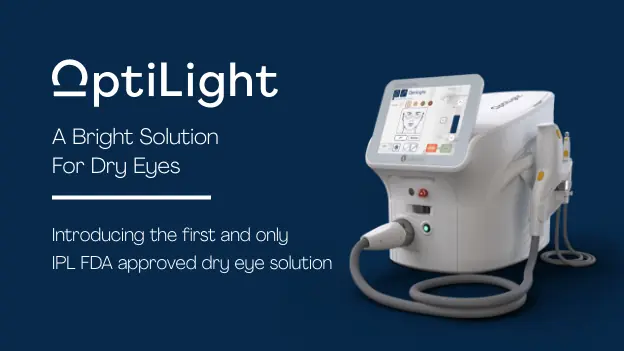
OptiLight by Lumenis (IPL)
We are proud to offer OptiLight, the first and only intense pulsed light (IPL) treatment FDA-approved for dry eye management. At California LASIK & Eye, OptiLight is commonly used to help manage evaporative dry eye and meibomian gland dysfunction.
This non-invasive therapy uses precise pulses of light to reduce inflammation, improve meibomian gland function, and address abnormal blood vessels associated with ocular rosacea. By targeting key contributors to dry eye disease, OptiLight helps support tear film stability and overall ocular surface health.
According to Lumenis clinical data, patients typically experience symptom improvement following a standard series of four treatment sessions.4 OptiLight may be incorporated into a personalized treatment plan and combined with other therapies when clinically appropriate.
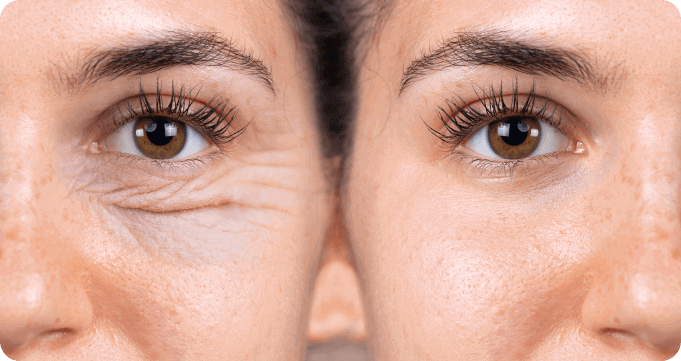
“Our goal is to move beyond temporary relief and provide our patients with a sustainable solution that improves their daily comfort and vision,” notes the clinical team at California LASIK & Eye.
Learn More About The Other Services We Offer!



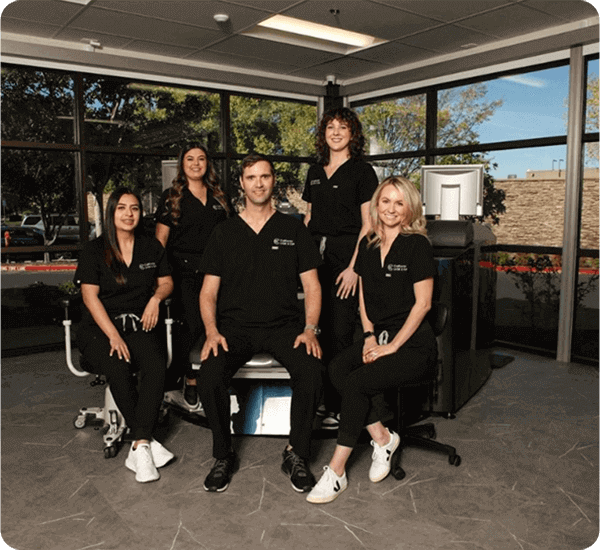
Why Choose California LASIK & Eye?
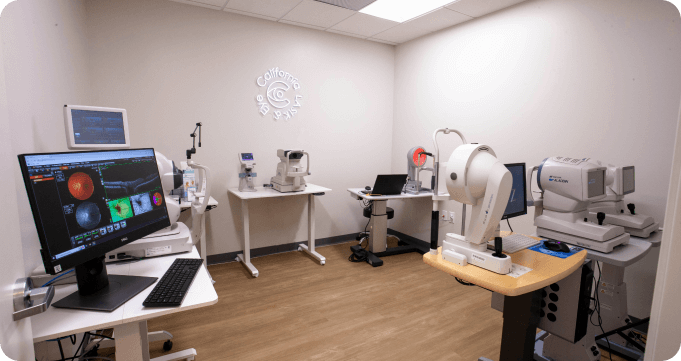
When searching for an eye doctor or optometrist in Sacramento, Roseville, or Folsom, it is essential to choose a provider with specialized training in the ocular surface.
Risks and Considerations
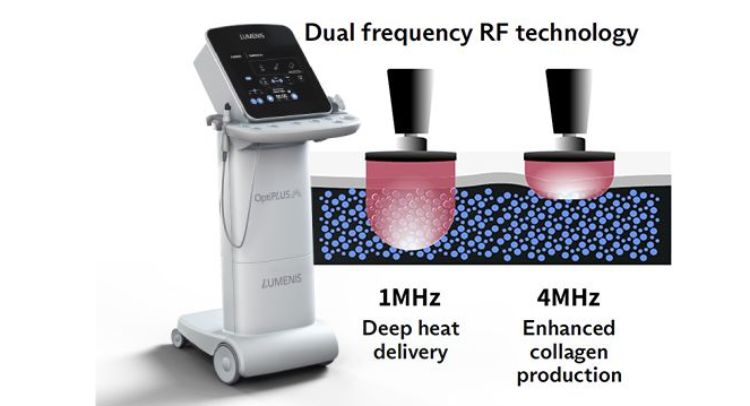
While dry eye treatments like IPL and RF are highly safe and FDA-approved, potential risks include temporary redness, mild swelling, or skin sensitivity in the treated area. During your consultation, we will discuss your medical history and any potential complications to ensure the safest possible treatment plan.
Frequently Asked Questions
Is dry eye a serious medical condition?
While it may start as a minor irritation, chronic dry eye is a serious medical condition. If left untreated, persistent inflammation can lead to corneal ulcers, scarring, and even permanent vision impairment. Early diagnosis and intervention with a specialist like Dr. Barnett is crucial to protecting your long-term eye health and maintaining clear vision.
Why are my eyes constantly watering if they are supposed to be dry?
It seems contradictory, but watery eyes are a hallmark symptom of dry eye disease. When your eyes become overly dry or irritated, your nervous system triggers “reflex tears” to compensate. Unfortunately, these tears are mostly water and lack the essential oils produced by the meibomian glands. Without these oils, the tears evaporate almost instantly, leaving your eyes just as dry as before.
Does insurance pay for dry eye therapy?
Many aspects of a dry eye evaluation and certain medical treatments are covered by standard health insurance plans. However, advanced therapies like OptiLight IPL or OptiPLUS RF are often considered elective or “out-of-pocket” procedures. Our administrative team at California LASIK & Eye is happy to help you navigate your benefits, verify coverage for prescription eye drops, and discuss flexible payment options for our advanced technology suites.
Where can I find dry eye treatment near me?
California LASIK & Eye provides advanced dry eye treatment in Sacramento, serving patients from Roseville, Folsom, Davis, and the surrounding areas. Our clinic combines the expertise of a fellowship-trained cornea specialist with the latest FDA-approved technology to deliver superior results.
Schedule Your Appointment Today
Do not let the discomfort of dry eyes hold you back from the activities you love. Whether you are a student at UC Davis, a professional in downtown Sacramento, or a retiree in Roseville, we are here to help. Contact us today to schedule your consultation and take the first step toward lasting relief.
Sources
1 Mayo Clinic. Dry Eyes. Available: https://www.mayoclinic.org/diseases-conditions/dry-eyes/symptoms-causes/syc-20371863. Accessed January 9, 2026.
2 Lemp MA, Crews LA, Bron AJ, Foulks GN, Sullivan BD. Distribution of aqueous-deficient and evaporative dry eye in a clinic-based patient cohort: a retrospective study. Cornea. 2012 May;31(5):472-8. doi: 10.1097/ICO.0b013e318225415a. PMID: 22378109. Available: https://pubmed.ncbi.nlm.nih.gov/22378109/. Accessed January 9, 2026.
3 National Eye Institute. Dry Eye. Available: https://www.nei.nih.gov/eye-health-information/eye-conditions-and-diseases/dry-eye. Accessed January 9, 2026.
4 Lumenis. OptiLIGHT. Available: https://lumenis.com/vision/products/optilight/. Accessed January 9, 2026.