
Sun Damage and Sunscreen Protection: What Patients Need to Know Year-Round
By Kristen Barnett, NP — Medical Aesthetics Provider at California LASIK & Eye, Sacramento, CA
As a medical aesthetics provider who treats the visible effects of sun damage every day, I see how the skin reflects years of exposure. Patients often come in concerned about wrinkles, dark spots, or sudden changes—but many of these are tied to ongoing ultraviolet (UV) exposure, not just occasional sunburns.
I’ve treated a woman in her forties whose deep wrinkles made her appear decades older, and a young man alarmed by dark spots that seemed to appear overnight. These are not just cosmetic issues—they can also reflect underlying skin health concerns that develop over time.
Sun damage occurs year-round, not just in summer. Even on cloudy or snowy days, UV radiation reaches your skin and contributes to premature aging and increased skin cancer risk. In fact, skin cancer remains the most common cancer in the United States, with more than 100,000 new melanoma cases diagnosed in 2024.
One of my long-term clients, who has consistently followed recommended skin checks every six months, has still undergone multiple procedures to remove melanoma early. Her experience reflects an important reality: early detection helps, but prevention matters just as much.
What Is the Best Way to Prevent Sun Damage?
Preventing sun damage requires consistency more than complexity. In my clinical experience, patients who build simple daily habits tend to maintain healthier-looking skin over time.
Timing plays a key role. UV rays are strongest between 10 AM and 2 PM, so limiting direct exposure during those hours can reduce cumulative damage.
Clothing is your first line of defense. Long sleeves, wide-brimmed hats, and sunglasses act as physical barriers. Many patients are surprised to learn that sun protection starts with what you wear—not just what you apply.
How Does Sunscreen Protection Actually Work?
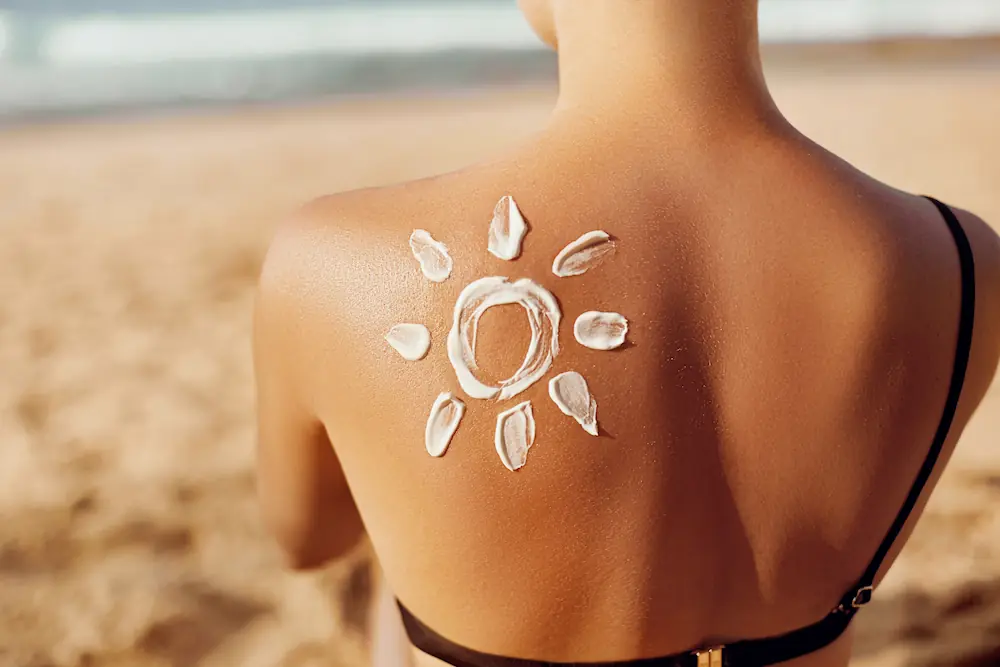
Sunscreen protection works by blocking or absorbing ultraviolet (UV) radiation before it damages the skin. Broad-spectrum sunscreen is designed to protect against both UVA rays (which contribute to aging) and UVB rays (which cause burning).
For daily use, I recommend SPF 30 or higher. While SPF 15 is the minimum, higher SPF provides more consistent protection in real-world use.
It’s also important to understand that makeup products—even high-end brands like Dior—that contain SPF are usually not applied in sufficient amounts to provide full protection on their own.
How Much Sunscreen Should You Use—and How Often?
This is where I see the most common mistakes in sunscreen protection.
Most adults need about one ounce (roughly a shot glass) of sunscreen to cover exposed areas of the body. That includes commonly missed spots like the ears, neck, hands, feet, lips, and even the scalp if hair is thinning.
Reapplication matters just as much as the initial application. Sunscreen should generally be reapplied every two hours, and more frequently if you are swimming or sweating.
No sunscreen is truly waterproof. Water-resistant formulas are labeled to last 40 or 80 minutes in water, after which protection decreases and reapplication is necessary.
Is Sunscreen Alone Enough for Sun Protection?
In my experience, relying on sunscreen alone often leads to gaps in protection.
Sun protection is most effective when you combine sunscreen with shade, protective clothing, and timing your exposure. Each layer adds a level of defense against cumulative UV damage.
When choosing products, look specifically for “broad-spectrum” labeling, which indicates compliance with FDA standards. Stick to proven formats like lotions, creams, gels, sticks, and sprays. Be cautious of wipes or washes that claim protection, as they are not reliable substitutes.
Do Sunglasses Really Protect Your Eyes From Sun Damage?
Yes—but only if they meet proper standards.
Sunglasses labeled UV400 or 100% UV protection block more than 99% of harmful UV rays. Lens darkness does not determine protection, which is a common misconception I hear from patients.
Larger, wraparound styles offer better coverage by reducing the amount of UV light entering from the sides.
Can Sun Damage Affect Only One Side of Your Face?
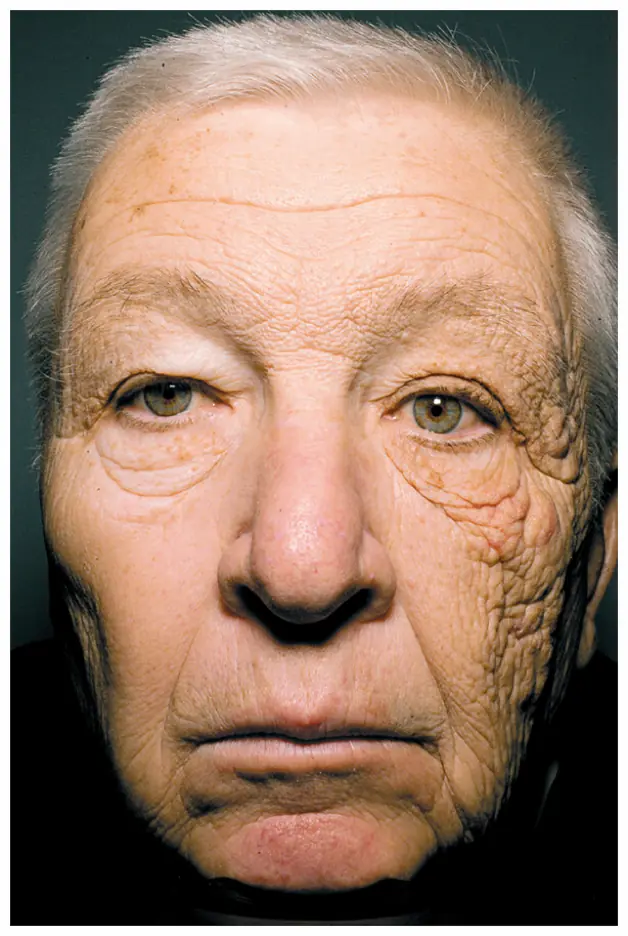
It can—and I often use a well-documented clinical example to illustrate this.
A 69-year-old truck driver, published in the New England Journal of Medicine, developed significant thickening and wrinkling on the left side of his face—the side exposed to sunlight while driving over many years.
This kind of asymmetry highlights how sun damage accumulates gradually and unevenly, depending on your daily habits.
Does Skin Tone Protect Against Sun Damage?
This is one of the most dangerous misconceptions I encounter in practice.
I have treated patients of diverse backgrounds, including one woman of Greek descent with olive-toned skin, who has required multiple procedures for superficial melanoma. Her case reinforces that sun damage affects all skin tones, even those that tan easily.
That said, individuals with pale skin, light hair, a personal or family history of skin cancer, or those taking medications that increase sun sensitivity should take extra precautions.
Even on overcast days, up to 80% of UV rays can penetrate cloud cover, continuing the cycle of damage.
Can Sun Protection Be Stylish and Practical?
Fortunately, sun protection has evolved.
Many brands now offer sun-protective clothing and accessories that combine function with style. Patients often tell me they are more consistent with protection when it fits naturally into their wardrobe.
Searching for “high-style sun protective clothing” can be a practical starting point if you want options that feel less clinical and more wearable.
Final Thoughts From Clinical Experience
If there’s one message I emphasize to every patient, it’s this: the effects of sun exposure are cumulative, and prevention is always easier than correction. For patients who already have visible sun damage, CO2 laser resurfacing is one way we correct fine lines, dark spots, and texture that daily prevention cannot undo.
Daily sun protection—even when it doesn’t feel necessary—can help reduce visible aging and lower long-term skin health risks.
Ready to Take a Proactive Approach to Your Skin?
If you’re concerned about sun damage or want a personalized skin protection plan, schedule a consultation to discuss your skin goals and current routine with a qualified provider. Schedule a consultation to discuss your skin goals and current routine with a qualified provider.
Disclaimer
This content is for informational purposes only and reflects clinical experience. Individual results may vary. Always consult a qualified healthcare provider before starting any new skincare or treatment plan.